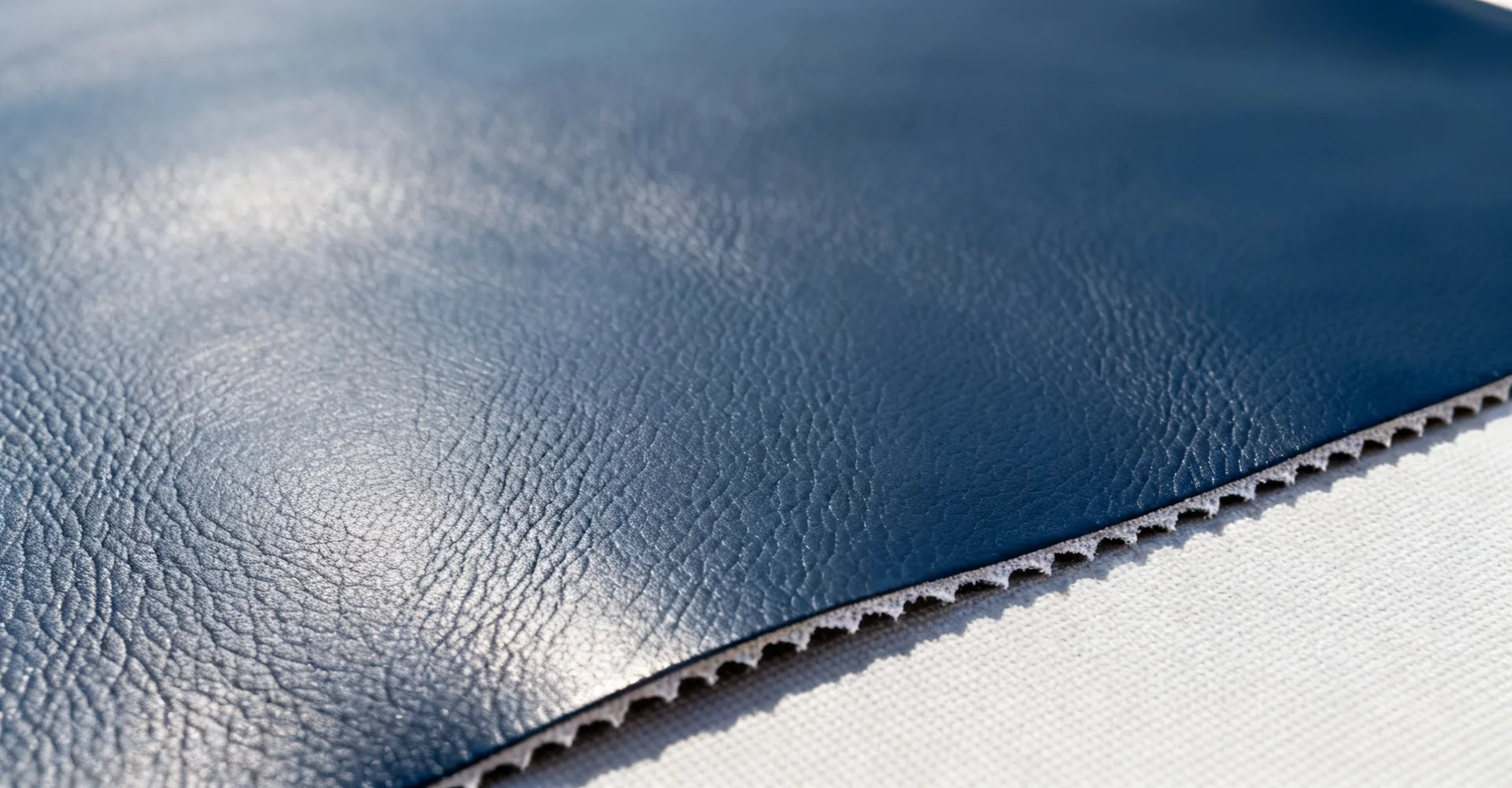
Marine vinyl. Setting first. Comparison next.
Spradling — Define the marine setting, then compare the vinyl.
View material scopeSurface · Backing · Color reference · Supply format
Marine vinyl. Setting first. Comparison next.
Surface · Backing · Color reference · Supply format
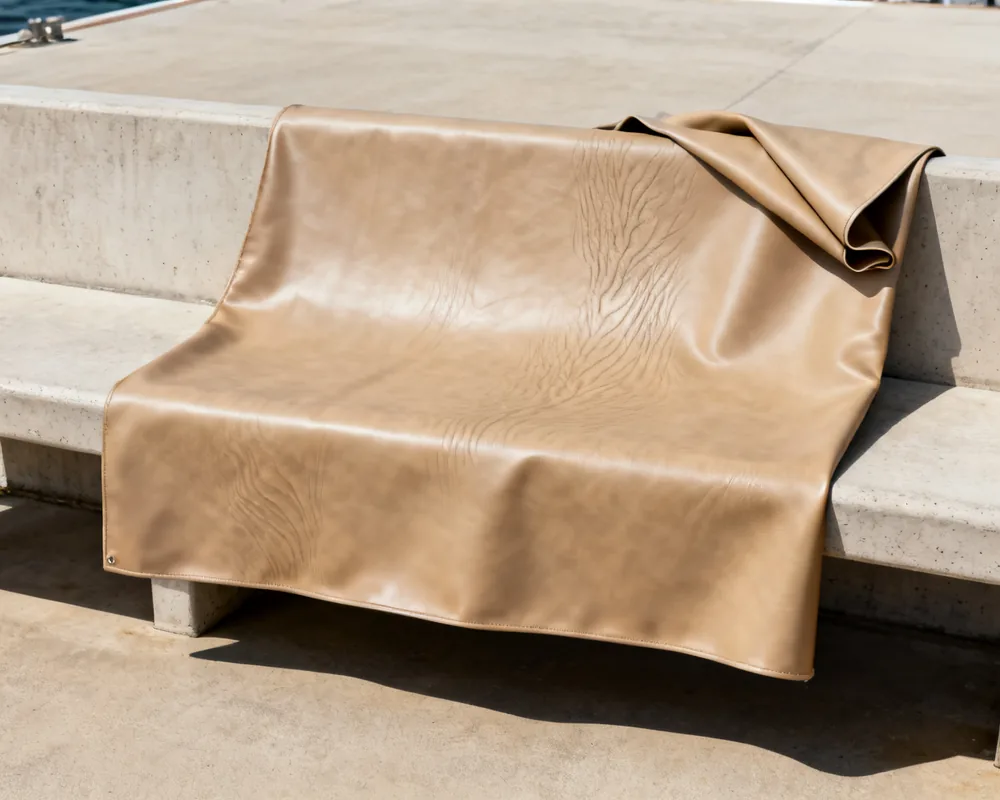
| Field | Target question | Evidence question |
|---|---|---|
| Composition | Name the declared polymer or coated construction | Read the supporting declaration for that specimen |
| GSM | Agree a mass target and tolerance if mass is relevant | Confirm the specimen state and method before any number is used |
| Usable width | Separate the cuttable area from the edge | Ask which supply format that width belongs to |
| Finish | Describe grain, gloss, and any coating or laminate only if it applies | Request the finish record instead of assuming the construction |
Write the marine seating location, the collection name under discussion, and the surface you want to keep or change.
Compare a dated reference specimen with the proposed specification. Record grain, color, handle, and backing. A sample enquiry does not promise that a swatch is available or that bulk will match it.
Ask for the supply format, identification, and packing that apply to this vinyl. Quantity and destination belong in the brief. Stock and timing stay unstated until a specific reply covers them.
Keep the comparison cells separate. Composition is the declared polymer or coated build, and any percentage breakdown is useful only when the shares are stated by mass and sum to 100 percent. GSM is grams per square metre for a named specimen state, not a catalogue slogan. Usable width is the cuttable measure, written in centimetres, with the edge excluded. If a backing yarn has a denier or yarn count, that unit stays on the yarn. Coating add-on and lamination are different notes: added face material is not the same record as a film joined to a substrate. Colorfastness, abrasion resistance, seam slippage, tear strength, and tensile strength describe different failures. Hydrostatic head and water vapor transmission stay in different rows. Shade band and lab dip describe color agreement, not grain. Pilling and dimensional stability are appearance and size checks. Air permeability and stretch recovery are not a waterproof sentence. Roll inspection is where width, shade, and visible defects are looked at together. Batch traceability means the specimen, date, and lot identifier travel with any figure. A buyer may bring a target such as 450 g/m², but that number is the buyer’s target until a method and specimen are attached. It is not a Spradling result.
Four checks can be written without inventing company facts. The helm seat, the spray-exposed cockpit cushion, and the cabin bench are different application notes. The process path is cuttable width, then sewn or bonded joining, then the cleaning cycle already in use. The sample path compares a dated swatch with the proposed bulk specification and records grain, handle, and construction differences before approval. The document path asks for holder, covered product scope, and validity. Unknown items stay blank: founding year, headcount, plant output, stock date, and any certificate number.
Explain what the current vinyl construction needs to change, and which acceptance criteria a trial record would use.
What needs to improve, and how will it be reviewed?Discuss your fabric requirements